Italian wine: Articles

Tour of Italian Wine

A Tour of Italy was the theme for our Fine Wine Divas February event and Acqua al 2 in DC, my favorite Italian restaurant here and in Florence, was the perfect spot for it.

Italy, which is slightly smaller than the state of California, is one HUGE vineyard, stretching from Piedmont in the north to Sicily in the south. It is home to some of the oldest wine-producing regions in the world, and has overtaken France as the world’s largest wine producer. There are over one million vineyards in the country! This great map from De Long is an incredible resource that captures it.

Some other great Italian wine region facts…

  • Italy is divided into 20 wine-producing regions that are subdivided into almost 100 provinces and 8,100 communes.
  • There are over 2,000 varieties of Italian wine – far surpassing any other country in terms of variety.
  • There are over 1,000 different grape varieties, most of which are indigenous. 100 of these varieties have shown capacity to make great wine.

Wine in Italy dates back to Etruscans and Greek settlers. Ancient Greeks called their Italian colonies Oenotria, the land of wine. Romans started their own vineyards in the 2nd Century B.C. The Romans developed techniques still used today, like large-scale production and storage like barrel-making and bottling leading.

Italian Wine Classifications

Many wine country’s classifications system can be confusing. Here’s how to make sense what you’ll find on Italian wine labels.

  • Vino a Denominazione di Origine Controllata e Garantita (DOCG):  Denomination of Controlled and Guaranteed Origin includes the most famous wine producing areas. Similar to DOC but wines must pass government analysis.
  • Vino a Denominazione di Origine Controllata (DOC): Denomination of Controlled Origin is modeled on the French AOC system. This classification is based on geography, grape varieties and production methods.
  • Vino a Indicazione Geografica Tipica (IGT): Typical Geographic Indication is a less strict classification. These wines use the geographic name of a zone to designate a wine made there, like Toscana (Tuscany) or Sicilia (Sicily). At least 85% of the wine must come from the named geographic zone.
  • Vino da Tavola (VdT): “Table wine” can be produced anywhere in Italy and usually designates cheap bulk wines. However, some of Italy’s best wines have been produced under this classification.

Additional designations you will see…

  • Classico: Classic, refers to a more restricted production area that is held to be particularly suited for product and historically recognized as such.
  • Superiore: Superior, refers to a higher alcohol content.
  • Riserva: Reserve, refers to the longer aging period used.

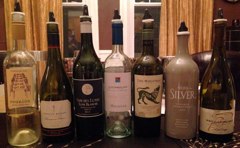
On our tour of Italy, we enjoyed six Italian wines from five regions across Italy, from north to south: Friuli-Venezia Giulia, Piedmont, Tuscany, Abruzzo and Campania.

  • Fantinel Spumante Prosecco Extra Dry NV (IGT)
  • 2011 Bruni Plinio Vermentino Maremma Toscana (IGT)
  • 2011 Tenuta La Cipressaia Chianti Classico DOCG
  • 2007 Visconti Della Rocca Montepulciano d’Abruzzo Riserva DOC
  • 2010 Damilano Barbera d’Asti DOCG
  • 2001 Serpico dei Feudi di San Gregorio Irpinia Anglianico
The resounding favorites of the group were…

Fantinel Spumante Prosecco Extra Dry NV (IGT)

  • VarietyGlera (formerly known as Prosecco) from the Friuli-Venezia Giulia region
  • AromaGolden apple, pear, honeysuckle
  • Taste: Crisp and fruity with undertones of spice and nut
  • Price: $16, available on winedeals.com, wallywine.com
  • My Thoughts: This is an excellent Prosecco that everyone enjoyed and commented about how it was the perfect balance of dry and fruit without much sweetness. Prosecco is my favorite bubbly and a great economical bubbly option.

2010 Damilano Barbera d’Asti DOCG

  • Variety: Barbera from the Barbera d’Asti region in Piedmont
  • Aroma: Sour cherry and earthy
  • Taste: Sweet jam, berries, light tobacco or leather
  • Price: $16, available  on wineaccess.com
  • My Thoughts: This is a big wine and was our 5th of the evening. Everyone was impressed with it’s complexity and for such a great price!

There are so many wines to explore in Italy. Grape Occasions has many articles on Italian wine, and in the next few articles, we’ll highlight some other Italian tastings we’ve done in the past few months to help in your Italian exploration.

Share with us YOUR favorite Italian!

Saluté to the wonderful world of Italian wine!

Tagged As:
, , , , , , , , , , , ,

Italian Wine on the Go

There are more and more “on the go” wine packages out there. Last weekend at BOTTLEROCKET in New York City, I found a great Italian option!

Fuori Strada is the brand and winemaker…bringing you wines from ‘the road less traveled,’ fuori strada in Italian. The wines start with organic Italian grapes. They have two wines, Grillo 2011 from Sicily and Sangiovese from Tuscany.

The bright packaging catches your eye, and it’s good for the environment. The Tetra Pak carton uses 54% less energy, creates 80% less greenhouse gasses, produces 60% less solid waste volume and has 92% less package weight, compared to a 750ml glass wine bottle. PLUS with the packaging you get more for your money…250ml more than typicaly 750ml bottle.

The packaging also does a fun job of describing the product…classically Italian, beautifully balances, fresh and crisp, juicy citrus, lighter, sustaianable package. The wine is also suitable for vegans.

I picked up the white wine, Grillo, which is thought to have been used in one of Julius Caesar’s favorite wines.

Fuori Strada: Off Road Grillo 2011

  • Variety: Grillo from Sicily
  • Aroma: citrus, floral
  • Taste: balanced lemon and touch of tropical blossom with a honey finish
  • Price: $14 (available at BOTTLEROCKET in-store and online)
  • My thoughts: Really nice wine…one of best I’ve tasted in Tetra Pak! Grillo is similar to Pinot Grigio but has a bit more body, depth and characteristic.

Look forward to trying the Sangiovese.

Cheers, as always, to the road less traveled!

Tagged As:
, ,

Around the World of Sparkling Wine

I’m always a big fan of sparkling wine, special occasion or none. And the holidays are the perfect time to bring out ANY bubbles.

Last week, I attended an “I Brake for Bubbly” tasting at The Curious Grape, a local wine bar and shop, for a great tour through the sparkling wine world….Austria -> Chile -> France -> Spain -> California -> Italy.

Through this tour you’ll see what makes Champagne, which can only come from Champagne, France, so special, and what the climate, grape varieties and process create for sparkling wines from other regions and countries.

First a little overview about how sparkling wine is made.

  • The Traditional Method: The classic way is the méthode traditionelle (traditional method), or méthode Champenoise (Champagne method), developed in Champagne, France. Wine is produced in the normal way, then bottled with a sugar and yeast mixture to sit for a second fermentation. Carbon dioxide is produced during this fermentation creating the tiny bubbles. The yeast cells die and sink to the bottom of the bottle, referred to as the lees. While the wine is aged on the lees, complexity in the flavor develops (Champagne requires a minimum of 15 months for this second fermentation). Next the sediment is removed through ‘riddling,’ the tilting of the bottle on riddling racks to allow the sediment to move to the neck. The neck is then frozen, the cap removed, the plug of frozen sediment shoots out from the pressure. The bottle is then topped up with dosage (small amount of sugar solution, amount added varies based on sweetness and dryness levels desired), recorked and wire caged. Whoosh! Quite a process. Now you know why Champagne is expensive!
  • The Charmat Method: This method, also known as the Italian method, is quicker and used to make many less expensive sparkling wines. In this process, the yeast and sugar are added to the wine in the pressurized stainless steel fermentation tanks.Then this wine is bottled.

Now onto the tour…

Flight 1: Austria for Riesling Sekt

Sekt is the name used for sparkling wine in Germany and Austria. Both wines we tasted are from Weingut Steininger, a small family-owned winery in the Langenlois Valley of Kamptal, one of Austria’s northernmost growing regions. This is a very interesting tasting to compare…

  • 2009 Steininger Riesling Sekt, $25.99: The grapes for this wine come from the lower part of the slopes and a nutrient rich soil. It’s 100% Riesling grapes made using the Traditional Method and aged on the lees for at least one year. The result is a bready nose and apple flavors. Very nice!
  • 2008 Steininger Riesling “Heiligenstein” Sekt, $51.99: Heiligenstein means Holy Stone and is among one of the world’s most famous vineyards for Riesling. It’s very high altitude vineyards, grown on steep terraces of solid rock. First fermentation for this wine in neutral oak casks is one year, then aged on the lees for two years. No dosage is added. It produces a more concentrated sparkling wine with minerality and stone-fruit with bigger bubbles. A real treat!

Flight 2: Chile & France for Chardonnay-based Sparklers

  • 2011 Cono Sur Brut, Bío Bío, Chile, $18.99: This is a quite nice entry level sparkler made of 90% Chardonnay, 6% Pinot Noir and 4% Riesling. You wouldn’t expect a sparkling wine from Chile, but this one comes from the very southern part of the country, with sunny yet cold weather perfect for growing sparkling wine grapes. While made using the Charmant Method, they age the base wine for four months in barrel before second fermentation, then allow the wine to rest on the lees in tank for three months before bottling. Very balanced with nice minerality!
  • Non-Vintage Pierre Moncuit Blanc de Blancs Champagne “Hugues de Coulmet” Brut, Champagne, France, $51.99: Pierre Moncuit is a small boutique producer dating back to the 1940s. Their 36 acres of Grand Cru Village are in the the southern part of the region, which produces some of the region’s best grapes as they are grown in very chalky soil, giving great minerality to the wine. Although this is non-vintage, all Pierre Moncuit’s are made with single vintage grapes. Aged three years for second fermentation in the bottle before disgorgement. Very special boutique Champagne!

Flight 3: Spain & California for Red Grape-based Sparklers

  • Non-Vintage Canals Canals Cava Brut Nature Rosat Reserve, Penedes, Spain, $15.99: Cava is sparkling wine in Spain. Cava mainly comes from Penedes region. Cava is made with Spanish grapes using the Traditional Method. This wine is made from Garnacha, Monastrell, Trepat and Pinot Noir. Reserva in Spain means it’s been aged at least 15 months. Brut Nature means no sugar is added to the dosage. Ths wine has been aged 24 months in second fermentation. Very nice!
  • 2008 Gloria Ferrer Blanc de Noirs, Carneros, California, $21.99: Carneros is the cold end of the Sonoma and Napa Valley. Founded by Spain’s Freixenet, the second oldest Cava house dating back to 1889 in Spain, they started Gloria Ferrer and planted the first grapes in 1980. Made with the Traditional Method from 92% Pinot Noir and 8% Chardonnay and aged 18 months on the lees, there is also 5% non sparkling rosé added to give it the pretty pink color and creamy round texture. Lovely subtle strawberry and vanilla notes.
  • Non-Vintage Roederer Estate Brut Rosé, Anderson Valley, California, $28.99: Roederer Estate Brut is the first California sparkling wine to be produced by Champagne Louis Roederer, the fine winemaker of France. The Anderson Valley is the coolest of California’s sparkling wine regions, also very wet so hard to ripen the grapes. This blend is 60% Pinot Noir and 40% Chardonnay with 5% non-sparkling Pinot Noir added for color. Roederer follows the common Champagne practice of holding a portion of each year’s harvest in “reserve” to enrich the non-vintage blend in any given year. This wine is made of 10-20% reserve wines aged in oak for roundness and aged 24 months on the lees. A Champagne like sparkler from California!

Flight 4: France & Italy for What’s Hot Now

  • 2010 Domaine des Nugues “Made by G,” Beaujolais, France, $19.99: This wine from the Beaujolais region is 100% Gamay grapes, however sparkling wines aren’t allowed to be labled Beaujolais, thus the name Made by G. These grapes are hand-harvested and fermented, then fermented again using Traditional Method for a few months on lees. No sugar is added, the sweetness coming just from the Gamay grapes.
  • 2011 Tenuata Il Falchetto Moscato d’Asti “Ciombo,” Piedmont, Italy, $17.99: As an Italian wine it is considered Frizzante, their main term for sparkling wines. This wine is made of 100% Moscato grapes and tank fermented. The grapes are grown in the Ciombo region on 25 year old vines. The results is a very intense, floral, honey wine with low alcohol. It’s a perfect after dinner offering.

And that was our flight around the world of sparkling. What’s your favorite sparkling wine?

Cheers to Bubbles!

Tagged As:
, , , , , , , , , , , , , , , ,

Wine Discoveries: Summer Wine Bargains from Italy, France & Uruguay

Planet Wine Shop, my local wine go to in Alexandria, had a great tasting for their usual Wine Wednesday…Summer Wine Bargains. I don’t know about you but I tend to go through more wine  in the summer (it’s hot and I love sitting on the balcony at sunset), so it helps to discover great wines under $15.

Wednesday’s tasting included Italy, France and Uruguay.

  • Alois Lageder Pinot Bianco 2010, Dolomoti, Italy, $14: nice crisp northern Italian
  • Domaine de Laxé Côtes de Gascogne Blanc 2011, Côtes de Gascogne, France, $12
  • Vignerons de Buxy Buissonier Rosé 2011, Burgundy, France, $15: big cranberry and red currant flavors
  • Domaine Laurent Gauthier Chatenay 2007, Chiroubles, France, $12: from very old vines, big pepper notes
  • Bodegas Carrau Tannat de Reserva 2010, Los Violetas, Uruguay, $15

My two surprise favorites from the tasting were…

Domaine de Laxé Côtes de Gascogne Blanc 2011

  • Variety: 60% Colombard, 40% Ugni Blanc from France
  • Aroma: Bright citrus
  • Taste: Refreshing acidity with hints of exotic fruit
  • Price: $12
  • My thoughts: Very interesting wine coming from extreme southwest France. Ugni Blanc is one of the grapes used to make Cognac and I don’t see it in wine a lot. The combination of grapes made a nice unique discovery. Perfect for the summer heat.

Bodegas Carrau Tannat de Reserva 2010

  • Variety: 100% Tannat from Uruguay
  • Aroma: Red fruit and spice
  • Taste: Vanilla and caramel
  • Price: $15
  • My thoughts: I haven’t tried many wines from Uruguay but this one is fantastic. I’ve also tried a few bad Tannat wines so it was a pleasure to taste this one. Tannat is originally a southern France variety and makes a very tannic wine. Made in Uruguay, it is lighter in body but full of flavor. The Carrau family wine business started in Spain in 1752 and added Uruguay in the 1930s. Nice red wine for when it’s slightly cooler, say low 80s. I’d like to try some more of their wines too.

Cheers to summer wine bargain discoveries

Tagged As:
, , , , , , , , ,

Fancy Food Show Wine Discoveries: Italy

The last wine discovery from this year’s Fancy Food Show in DC was an Italian gem in Puglia, Tenute Girolamo. They were the perfect find as I was hosting #Winechat the following evening on Puglia, the heel of Italy’s boot and one of my favorite wine regions.

Tenute Girolamo is located in the Valle d’Itria between the villages of Martina Franca, Locorotondo, Cisternino and near Alberobello. The Girolamo family has 50 acres cultivated at high density (12.300 vines per acre) which give more than 600,000 bottles of wine per year. They make four IGT (typical geographic indication Italian wine classification) wines…Pétroma, Pétrakos, Iérai Pétrai and Capo di Gallo.

I met Inge Host with AZAA representing them at the show and tasted 3 lovely wines from the Capo di Gallo label. Unfortunately they are not yet distributed in the U.S. but can be found in Europe.

Their website describes Capo di Gallo as “a precious wine which has the excellent qualities of the Puglia wines you can purchase for a good price. Capo di Gallo is done with a selection of Primitivo’s grapes together with other vines of our vine land, but the peculiar taste is given by the 6 months spent in barrels. This wine is deep red colored and the flavor is sweet and complex which perfectly matches the fruit aftertaste.”

The wines we tasted…

  • Tenute Girolamo Capo di Gallo Fiano: Fiano is a classic white found in the region. The wine is straw yellow in color with an herbal & floral nose plus honey on the palate.
  • Tenute Girolamo Capo di Gallo Negroamaro: Negroamaro is one of the two classic red grapes from the region. This wine is full of cherry, leather and pepper.

and my favorite…

Tenute Girolamo Capo di Gallo Primitivo

  • Grape Variety: Primitivo
  • Aroma: Sweet berry and tobacco
  • Taste: Medium bodied soft fruity berry jam flavors with nice spice and tobacco notes
  • Thoughts: Primitivo is the native king of Puglia grapes. This wine, like most, is an intense violet color. It’s a great example of a Primitivo wine!

For more on Puglia wines, visit my #Winechat recap. And here’s a photo from Tenute Girolamo’s website that truly captures the beautiful Valle d’Itria wine country.

Saluté to Italian wine discoveries thanks to the Fancy Food Show!


Tagged As:
, , , , , , , , ,